
What Is a Good Watts per Kg for Cycling? (W/kg Chart)
Cycling W/kg benchmarks by category for men and women. Find out what watts per kg is good for climbing, what FTP to target, and how to improve your power-to-weight ratio.
Featured image: What Is a Good Watts per Kg for Cycling? (W/kg Chart)
Why W/kg Is the Most Important Cycling Metric
Raw wattage tells you how powerful you are. Watts per kilogram (W/kg) tells you how powerful you are relative to the weight you have to carry uphill.
Two riders can both produce 250 W. If one weighs 60 kg (4.17 W/kg) and the other weighs 90 kg (2.78 W/kg), the lighter rider will climb significantly faster, despite producing the same absolute power. On flat terrain, the difference is much smaller — aerodynamics starts to dominate above about 35 km/h.
W/kg is the standard metric used by cycling coaches, Zwift, TrainingPeaks, and all major race category systems to compare riders of different sizes.
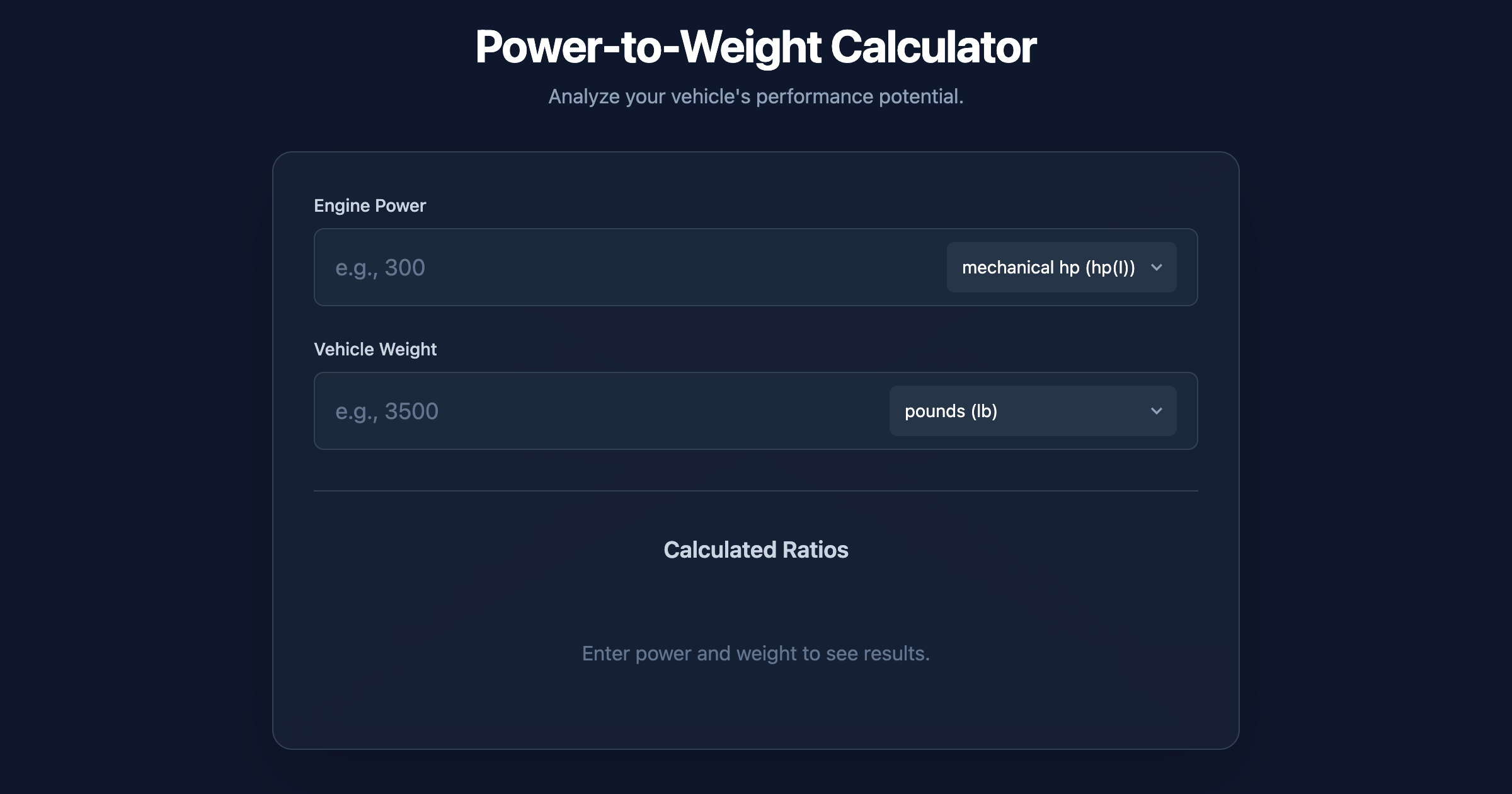
Use the cycling W/kg calculator to find your current category.
What Power Figure Should I Use?
Always use your FTP (Functional Threshold Power) — the highest average power you can sustain for approximately one hour.
If you haven’t done a proper FTP test:
- 20-minute test: Ride as hard as you can for 20 minutes, then multiply your average power by 0.95. This gives a good FTP estimate.
- Ramp test: Used by Zwift and other platforms — more accessible but slightly different methodology.
Do not use your 5-second sprint peak, 1-minute power, or an average from a group ride. These won’t give accurate category benchmarks.
Cycling W/kg Categories — Men
Based on the Coggan power profile (one of the most widely referenced frameworks in cycling coaching):
| Category | W/kg (FTP) | Description |
|---|---|---|
| Untrained | < 2.0 | New to structured training or returning after a long break |
| Cat 5 / Recreational | 2.0 – 2.49 | Regular rider, can complete sportives comfortably |
| Cat 4 / Trained | 2.5 – 2.99 | Club rider, competes in local events |
| Cat 3 | 3.0 – 3.49 | Strong club racer, competitive in regional events |
| Cat 2 | 3.5 – 4.09 | Serious amateur, front group in most amateur races |
| Cat 1 / Elite amateur | 4.1 – 4.99 | National-level amateur, strong club professional results |
| Professional | 5.0 – 5.99 | Domestic pro / continental team level |
| World Tour Pro | 6.0 – 7.0+ | Grand Tour contenders; top GC riders sustain 6.0–6.5 W/kg on key climbs |
Cycling W/kg Categories — Women
Women’s benchmarks differ from men’s — comparing across genders on absolute W/kg is not meaningful. Compare within your own gender’s profile:
| Category | W/kg (FTP) | Description |
|---|---|---|
| Untrained | < 1.5 | New to structured training |
| Cat 5 / Recreational | 1.5 – 2.09 | Regular rider |
| Cat 4 / Trained | 2.1 – 2.59 | Club rider |
| Cat 3 | 2.6 – 3.09 | Regional competitive |
| Cat 2 | 3.1 – 3.59 | Strong amateur racer |
| Cat 1 / Elite amateur | 3.6 – 4.29 | National-level amateur |
| Professional | 4.3 – 4.99 | Domestic / continental pro |
| World Tour Pro | 5.0 – 6.0+ | Elite women’s peloton |
What Watts per Kg Is “Good” for Climbing?
It depends on the type of climbing:
| Effort type | Recommended W/kg |
|---|---|
| Short punchy climbs (< 2 min) | Peak 5-min power more relevant than FTP W/kg |
| Extended climbs (5–20 min) | 3.5+ W/kg for competitive riding |
| Long Alpine climbs (30–60+ min) | FTP W/kg directly determines your time |
| Gran Fondo / sportive completion | 2.5 W/kg is comfortable for most courses |
| Sub-1hr Alpe d’Huez ascent | Approximately 4.5+ W/kg required |
| Pro level (top-10 on major climbs) | 6.0+ W/kg sustained for 30–45 minutes |
Real-World W/kg Reference Points
| Rider / Context | W/kg |
|---|---|
| Average untrained person | 1.2–1.8 W/kg |
| Weekend warrior cyclist | 2.0–2.5 W/kg |
| Regular club rider | 2.5–3.5 W/kg |
| Serious amateur racer | 3.5–4.5 W/kg |
| National amateur champion | 4.5–5.5 W/kg |
| Tour de France GC contender | 6.0–6.5 W/kg (20–40 min efforts) |
| Fastest ever Alpe d’Huez estimates | ~6.8–7.0 W/kg |
How to Improve Your W/kg
There are two levers: increase power or reduce weight (or both). Here’s the breakdown:
Increase FTP (Training)
- Threshold intervals — sustained efforts at 95–105% of FTP for 10–20 minutes. The most direct way to raise FTP.
- VO2max intervals — 3–8 minute efforts at 105–120% of FTP. Pushes your aerobic ceiling higher.
- Sweet spot training — 88–94% of FTP for 20–40 minute blocks. High volume with manageable fatigue.
- Consistency — structured training 3–4 days per week beats sporadic hard rides. Most recreational riders improve FTP by 5–15% in a season.
Reduce Body Weight
- Every kilogram lost improves W/kg directly. Losing 3 kg at 3.0 W/kg raises it to approximately 3.13 W/kg without any training.
- Sustainable weight loss (0.5–1 kg/week max while training) avoids compromising power.
- Don’t sacrifice muscle — under-fuelling during intense training can reduce FTP, which defeats the purpose.
The Combined Approach
Gaining 20 W of FTP and losing 2 kg produces a larger W/kg improvement than either change alone. Most serious amateur cyclists make gains on both axes during a structured season.
How Much Does W/kg Affect Climbing Speed?
As a rough guide, on a sustained climb of around 8% gradient:
| W/kg | Approximate climbing speed |
|---|---|
| 2.0 | ~8–9 km/h |
| 2.5 | ~10–11 km/h |
| 3.0 | ~12–13 km/h |
| 3.5 | ~14–15 km/h |
| 4.0 | ~16–17 km/h |
| 4.5 | ~18–19 km/h |
| 5.5 | ~22–23 km/h |
| 6.5 | ~25–27 km/h |
These figures assume an average rider position and no wind. On steeper or gentler gradients, the absolute speeds shift, but the relationship between W/kg and climbing time remains consistent.
Frequently Asked Questions
Should I track W/kg or absolute watts? Track both. FTP in absolute watts matters for flat and rolling terrain (where aerodynamics dominate). W/kg matters for climbing and hilly courses. A well-rounded cyclist improves both.
Does my bike weight count? The standard W/kg benchmarks use body weight only. For physics-based climb time calculations you can include bike weight, but for comparing yourself to category benchmarks — and for Zwift races — use body weight only.
How often should I retest my FTP? Every 6–8 weeks during a training block is standard. Don’t test when fatigued — an under-rested test will underestimate your actual fitness.
Is a high W/kg enough to win races? W/kg predicts climbing performance well but doesn’t account for aerodynamics, sprint power, tactics, bike handling, or race experience. Many races are won or lost on factors beyond W/kg.
Use the Calculator
Enter your FTP and body weight into the cycling power-to-weight ratio calculator — it calculates your W/kg instantly and shows your category from the Coggan power profile.
For the complete guide to the formula and unit conversions, see How to Calculate Power-to-Weight Ratio.